How Matcha is Grown & Made
抹茶の製造工程
The production of matcha is made by carefully growing tea leaves called Tencha, which are later ground into a fine powder with an average size of less than 10 micrometers. Traditional tea ceremony regulations forbid using Tencha for brewing, ensuring a unique and exclusive supply for the ceremonial grade of matcha. Top quality matcha is only made from the first Spring harvest. The following harvests produce lower quality matcha used for culinary purposes and by the food industry.
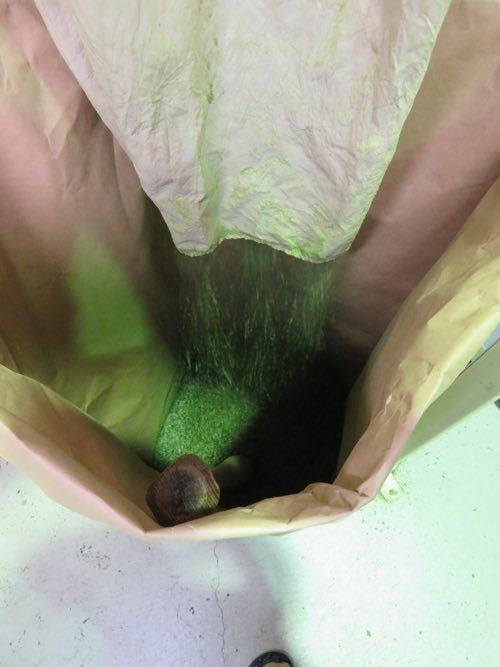
Shading the fields
Tea plants are shaded starting in early April to increase amino acid content and chlorophyll. This shading process is what gives ceremonial matcha its vivid green colour and characteristic umami sweetness.
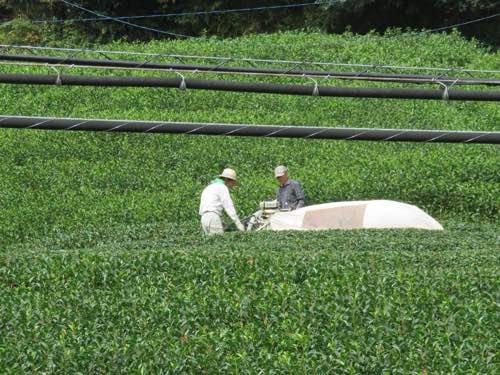
The 88th day of Spring
Harvesting takes place on the 88th day of the Japanese Spring season, which falls around the first week of May. Only the top three leaves of each plant are selected — the youngest, most tender growth.
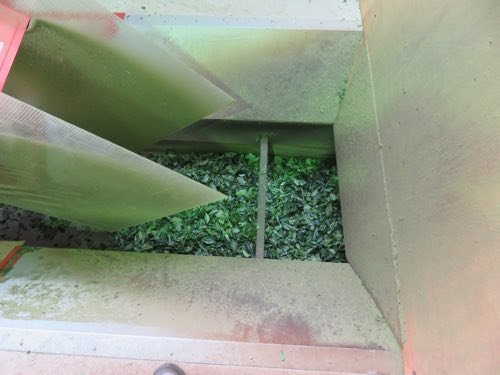
Locking in the green
The leaves are steamed for approximately 20 seconds immediately after harvesting. This halts fermentation and preserves the natural vivid green colour of the leaves.
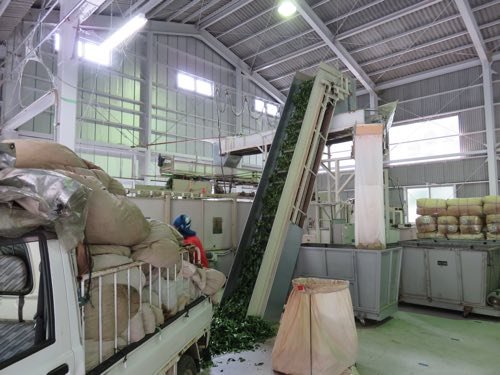
Refining to Tencha
After steaming, the leaves pass along a cooling conveyor before being dried and separated. Stems and veins are removed, leaving only the pure leaf material known as Tencha.
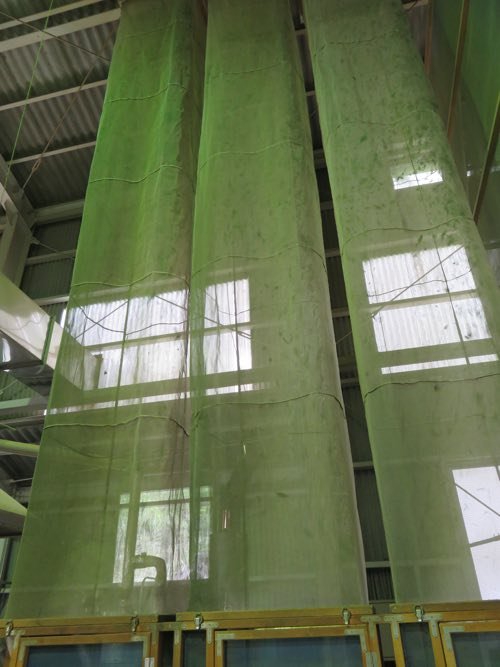
Held until the moment
The dried Tencha is stored under carefully controlled climatic conditions until it is needed for grinding. Proper storage protects the colour, fragrance and flavour of the leaf.
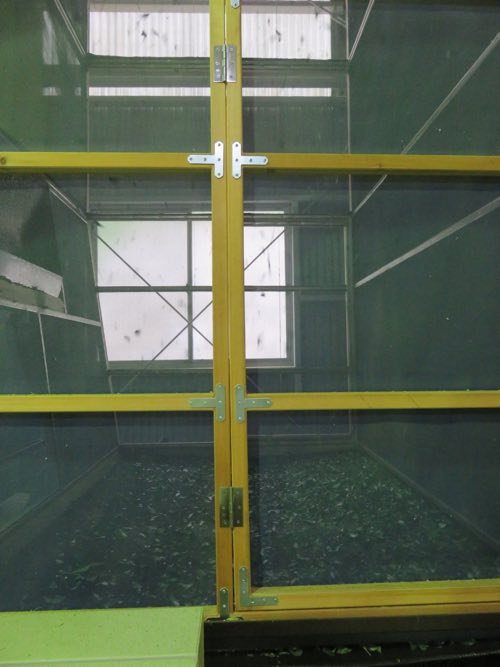
One hour per batch
Grinding takes approximately one hour per batch, carried out in a dark environment to ensure that ultraviolet light does not affect the colour and fragrance of the finished powder.
Matcha & Wellbeing
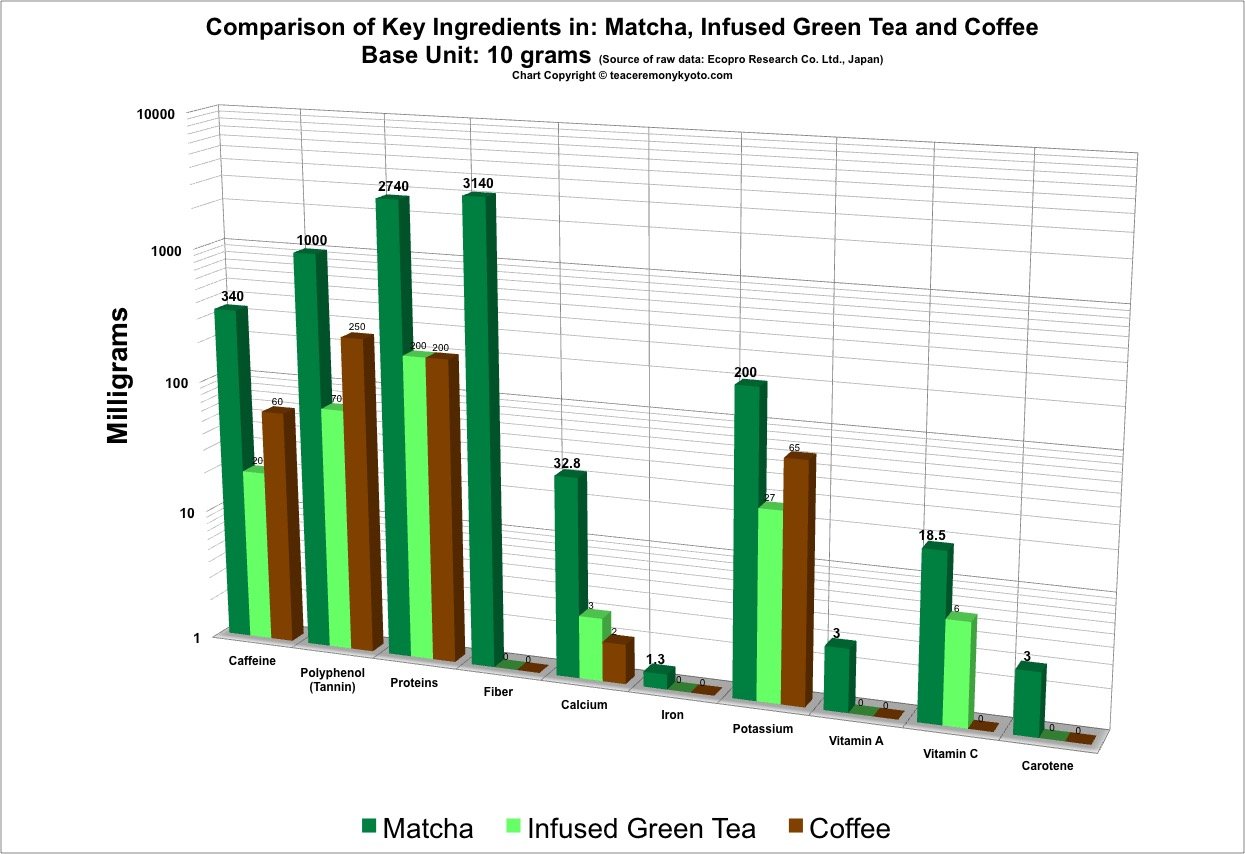
Claims about matcha's antioxidant content should be read with care. Studies comparing antioxidant levels typically use 100 grams of the substance tested — a quantity far removed from the 2 grams of matcha powder used in a single bowl. Unlike coffee, whose caffeine is absorbed rapidly, the caffeine in matcha is absorbed gradually over a period of 6 to 8 hours, providing sustained alertness without the sudden spike associated with coffee.
Experience the ceremony
Book your place at Jotoku-ji Temple
Reserve your seat